The Department for Work and Pensions has officially confirmed a significant increase for millions of retirees across the country. This upcoming adjustment ensures that the state pension remains aligned with the rising cost of living and wage growth through the ongoing triple lock commitment.
Understanding the New State Pension Rates
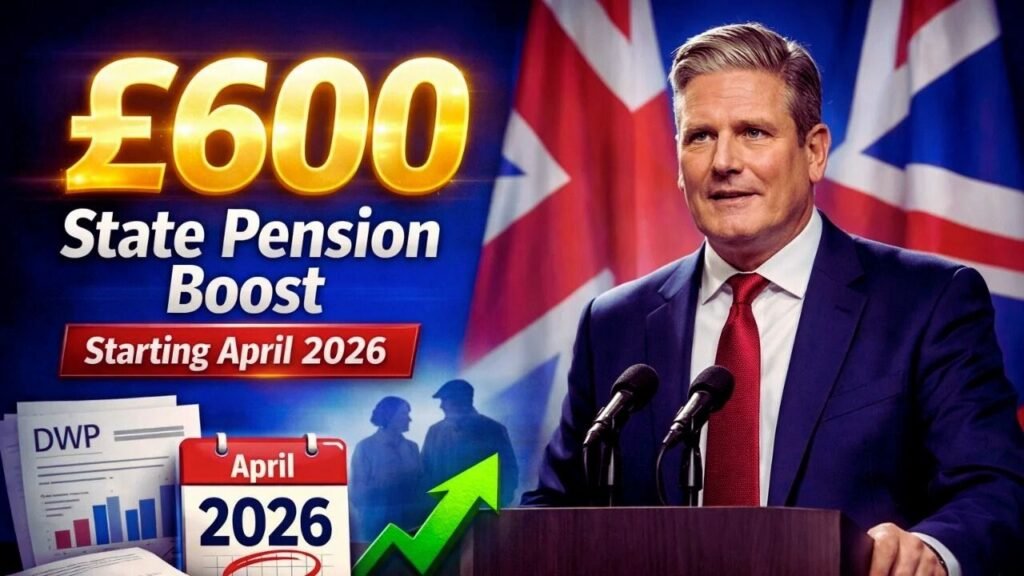
Starting in the first week of April 2026, those receiving the full new state pension will see their weekly payments climb to £241.30. This change represents an annual increase of roughly £572, bringing the total yearly income from the state pension to approximately £12,548. The boost is designed to help older citizens manage their daily expenses more effectively as economic conditions shift.

For those who reached retirement age before April 2016 and are on the basic state pension, the rates are also moving upward. Their weekly payment will rise from £176.45 to £184.90. While the total cash increase is slightly different for each group, the goal remains the same: providing a stable financial foundation for the elderly population.
How the Triple Lock Mechanism Works
The reason for this substantial jump in payments lies in a government policy known as the triple lock. This system was designed to ensure that the state pension does not lose its value over time. Every year, the government reviews three specific metrics to determine how much the pension should increase:

- The annual rate of inflation as measured by the Consumer Price Index
- The average growth in wages across the United Kingdom
- A minimum baseline increase of 2.5%
For the 2026/27 financial year, wage growth was the highest of these three factors, coming in at 4.8%. Consequently, the DWP has used this figure to calculate the new rates, ensuring that retirees benefit from the general rise in earnings seen across the workforce.
Impact on Personal Finances and Tax
While the increase is welcome news for many, it does bring the state pension very close to the current tax-free personal allowance. For the upcoming tax year, the personal allowance is set at £12,570. Because the new state pension will be worth over £12,500 annually, many pensioners with even a small amount of private income may find themselves paying income tax for the first time.


- The gap between the full pension and the tax threshold is now less than £25
- Most retirees will receive a letter in March detailing their exact new payment amount
- Automatic adjustments mean claimants do not need to contact the DWP to receive the rise
- These changes will take effect during the first full payment cycle after April 6
Financial experts suggest that individuals check their total income from all sources, including workplace pensions and savings interest. Being aware of these figures will help avoid surprises when the new tax year begins and the higher payments start arriving in bank accounts.
Future Outlook for Pensioners
The confirmation of the 4.8% rise provides much-needed certainty for households planning their budgets for the year ahead. Although there is often debate regarding the long-term sustainability of such increases, the government has reiterated its support for the current system for the foreseeable future. This commitment is intended to offer peace of mind to those who rely on the state for their primary source of income.

Beyond the standard state pension, other related benefits like Pension Credit are also seeing adjustments. These supplementary payments are vital for the most vulnerable retirees, ensuring that no one falls below a specific minimum income level. As April approaches, the focus remains on ensuring that the transition to these new rates is smooth and that everyone entitled to the boost receives it on time.