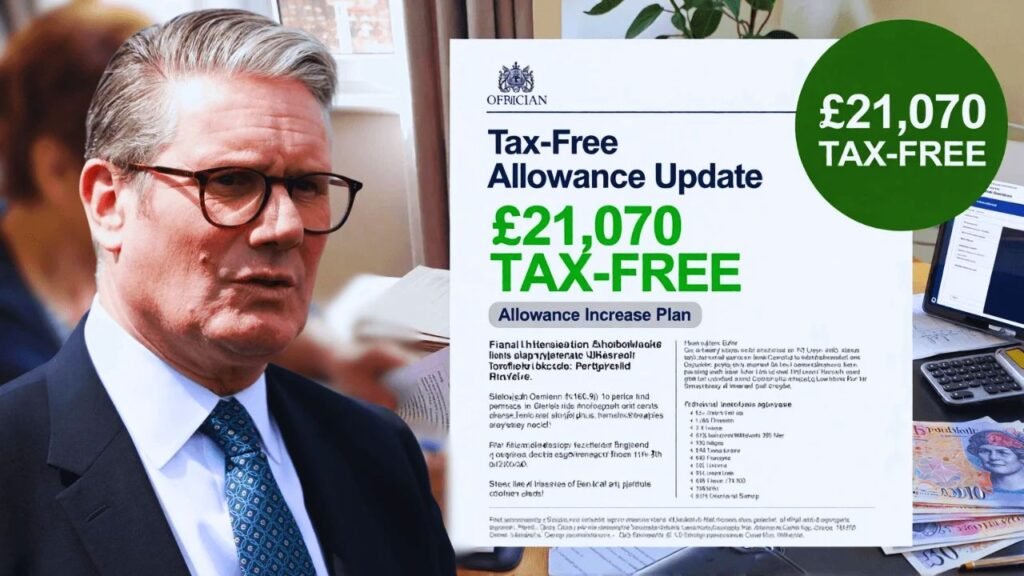
HM Revenue and Customs (HMRC) has announced a major update that will change how millions of people across the UK pay their income tax. The government plans to raise the tax free personal allowance to £21,070 by the year 2026. This is a very big jump from the current limit of £12,570 where it has been frozen for a long time. For many workers and pensioners this news brings a lot of hope because it means they can keep much more of their hard earned money before the taxman takes a slice.
What is the new tax free limit?
The personal allowance is simply the amount of money you can earn each year without paying any income tax at all. For several years this amount was stuck at £12,570 which caused a lot of people to pay more tax as their wages went up. This new plan to move the limit to £21,070 is designed to help with the rising cost of living. It means that if you earn £21,070 or less in a year you will not owe HMRC a single penny in income tax.
Why is this change happening now?
The main reason for this massive increase is to help people deal with high prices for food and energy. In the past few years many people felt that they were being hit twice. Once by higher prices in the shops and again by paying more tax because the allowance stayed the same while wages grew. By raising the threshold so high the government is effectively giving a huge pay rise to low and middle earners across the country.
Who will benefit from the rise?
Almost everyone who works or receives a pension will see a benefit from this change. If you are a full time worker on a typical salary you could see your take home pay increase by hundreds of pounds every month. Pensioners will also be very happy because many of them were starting to pay tax on their state pensions for the first time. With the new limit of £21,070 most state pensions will fall well under the line and become tax free once again.
- Full time employees on basic rate tax
- Part time workers who now fall under the new limit
- Pensioners with small private pensions
- Self employed individuals with modest profits
- Young people starting their first jobs
How much could you save?
The savings for a normal household could be quite large. Since the allowance is going up by £8,500 the amount of tax you save is roughly 20 percent of that increase. This works out to a saving of around £1,700 per year for a person who earns more than the new limit. This extra cash in the pocket is intended to help families pay off debts or save for the future.
| Current Allowance | New Allowance 2026 | Total Increase | Estimated Yearly Saving |
| £12,570 | £21,070 | £8,500 | £1,700 |
| Basic Rate (20%) | Basic Rate (20%) | No Change | For most workers |
When will the new rules start?
The plan is for these new rules to kick in at the start of the 2026 tax year. This usually happens on 6 April. HMRC will update tax codes automatically so most people do not need to do anything at all. Your employer will see the new code and your April 2026 payslip should show less tax being taken out. It is always a good idea to check your personal tax account online to make sure your details are correct before the change happens.
FAQs
Do I need to apply for the higher allowance?
No. HMRC will change your tax code automatically and you will see the difference in your pay or pension.
What if I earn more than £100,000?
The rules for high earners usually stay the same. If you earn over £100,000 your personal allowance still goes down by £1 for every £2 you earn above that mark.
Does this change National Insurance?
This specific update is for income tax. National Insurance has its own rules but the government often tries to keep the two limits close together.
Will I get a refund for past years?
No. This is a new rule for the future 2026 tax year and does not apply to the years that have already passed.
Last updated: 11 Mar 2026 (UK Time)