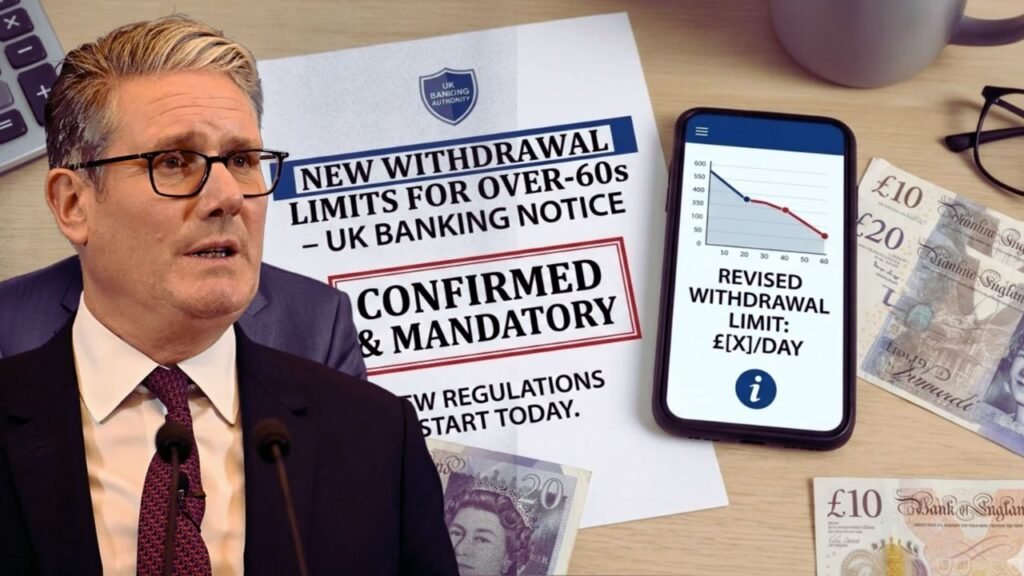
The banking world in the UK is seeing some notable shifts this March. If you are over the age of 60, you might have noticed some small but important changes when you try to take money out of your account. These updates are not meant to make life harder, but rather to keep your hard earned money safe from the rising threat of scams. Banks are now taking a much closer look at large cash withdrawals to ensure the person holding the card is the actual owner.
While there is no new law that forces people over 60 to take out less money, many banks have updated their own internal rules. This means you might run into more questions at the bank counter or find that an ATM has a lower daily limit than it used to. Understanding these changes can help you plan your shopping or bill payments without any sudden surprises.
Why Banks are Changing the Rules
The main reason for these updates is safety. Fraudsters often target older adults because they may have larger savings or pension pots. By adding a few extra steps to the withdrawal process, banks can stop a scammer before they walk away with your cash. If you try to take out a large amount, a bank staff member might ask what the money is for. This is not to be nosy, but to make sure you are not being pressured by a con artist.
New Daily Limits and Checks
Most high street banks have kept their standard ATM limits between £300 and £500 per day. However, for those over 60, some accounts now have “smart limits” that flag unusual activity. For example, if you usually spend £20 a week and suddenly try to take out £500, the bank might temporarily pause the transaction. You may need to confirm the withdrawal through a text message or a quick phone call to the bank.
Understanding the Withdrawal Options
It is helpful to know that different types of accounts have different rules. For instance, if you have a Fixed Term Saver, you usually cannot take any money out until the term ends. If you have an ISA, you can often take money out, but you might lose the tax benefits. The table below shows a general guide to what you can expect when accessing your money this month.
| Account Type | Typical Daily Cash Limit | Access Level |
| Standard Current Account | £300 to £500 | Instant access at ATMs |
| Premium/Gold Accounts | Up to £1,000 | Higher limits for a fee |
| Basic Bank Account | £250 to £300 | Limited daily cash |
| Fixed Term Savings | £0 (until term ends) | No access without penalties |
| Post Office Card Account | Varies by bank | Good for local cash access |
Tips for a Smooth Experience
To avoid any stress at the bank, there are a few simple things you can do. These steps ensure you can get your money when you need it while keeping your account secure.
- Call Ahead: If you need more than £1,000 in cash, call your local branch a day before.
- Use the App: Check your banking app to see your specific daily limit.
- Keep Info Updated: Make sure the bank has your current mobile number for security alerts.
- Small Steps: Instead of one big withdrawal, try taking out smaller amounts over two or three days.
- Card Over Cash: Use your debit card for big purchases instead of carrying lots of cash.
How Pensions are Affected
Your State Pension payments remain exactly the same. The new banking updates only change how you withdraw the money once it is in your account. The full State Pension is currently £230.25 per week for the 2025/2026 tax year. You can still have this paid directly into your bank or building society as usual. The bank is simply adding a layer of protection to the “exit” point where cash leaves your account.
FAQs
Is there a new law limiting my withdrawals to £50?
No. This is a common myth. There is no government law that limits you to such a small amount. Your limit is set by your specific bank.
Can I still get cash at the Post Office?
Yes. You can still use your bank card to get cash at most Post Office branches. The limits there usually match your bank’s ATM limit.
Will my bank block me from my own money?
Banks only pause transactions if they look suspicious. As long as you can verify who you are, you will always have access to your funds.
Do these rules apply to online transfers?
Online transfers often have much higher limits than cash withdrawals, but they may still require an extra security code sent to your phone.
Last updated: 11 Mar 2026 (UK Time)