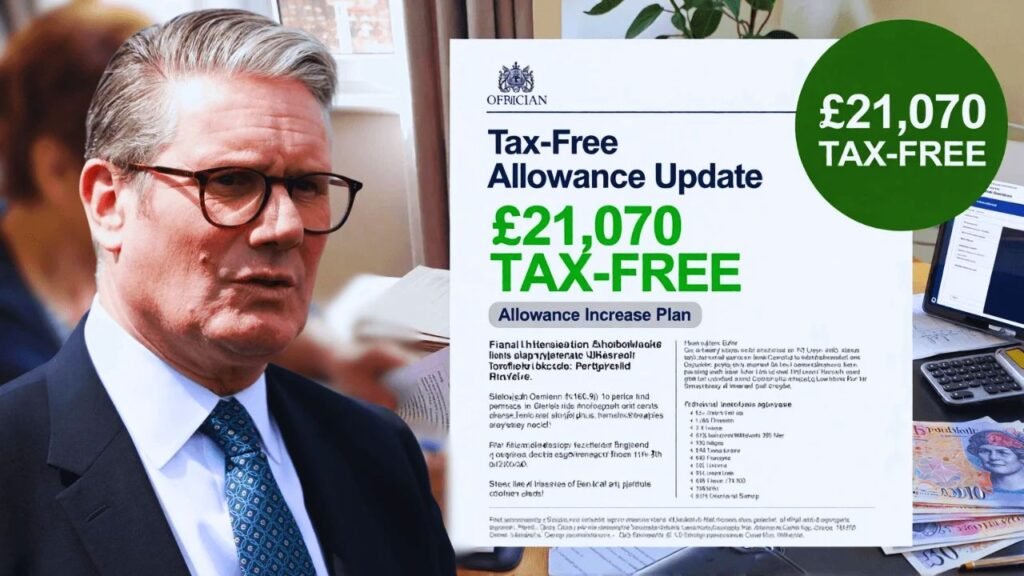
The British public is paying close attention to a major shift in fiscal policy as discussions regarding a significant increase to the Personal Tax Allowance gain momentum. Moving the threshold from the current £12,570 to a proposed £20,000 would represent one of the most substantial changes to the UK tax system in history.
Addressing the Impact of Fiscal Drag
For several years, the personal tax threshold has remained frozen, a phenomenon known as “fiscal drag” that has gradually pulled more low-income earners into the tax net as wages rise with inflation. By moving the allowance toward £20,000, the government aims to reverse this trend and provide direct relief to millions of workers who have seen their disposable income squeezed.
Supporters of the move argue that the current £12,570 limit is no longer reflective of the actual cost of living in 2026. Increasing the threshold would effectively “de-tax” the first several thousand pounds of additional earnings, allowing families to keep more of their hard-earned money to cover essential costs like housing and energy.
Financial Benefits for Workers and Pensioners
The proposed change is viewed as a universal benefit because it applies to almost everyone in the workforce, as well as retirees. For a basic-rate taxpayer earning above the new threshold, the savings could amount to nearly £1,500 per year, providing a significant boost to household budgets across the country.
- Millions of low-paid workers would stop paying income tax entirely
- Pensioners with modest private savings would see higher net monthly income
- Self-employed individuals could reinvest more of their profits into their businesses
- Part-time staff would find it more financially rewarding to take on extra shifts
This “£20,000 milestone” is particularly relevant for those on the National Minimum Wage. As hourly rates continue to rise, a higher tax-free allowance ensures that the benefits of pay increases are not immediately offset by higher tax deductions, maintaining the incentive to work.
Economic Challenges and Treasury Revenue
While the proposal has been met with widespread public approval, it presents a significant challenge for the Treasury. Every increase in the tax-free allowance results in a loss of government revenue, which is used to fund critical public services such as the NHS, education, and infrastructure projects.
Economists estimate that a jump to £20,000 could cost the government upwards of £40 billion annually. To balance the books, officials are exploring various options to offset this loss. These measures are designed to ensure that the tax system remains progressive while supporting those at the bottom of the income scale.
- Closing existing capital gains tax loopholes for high earners
- Adjusting corporation tax rates for large multinational firms
- Implementing new wealth taxes on high-value assets
- Reducing departmental spending through digital efficiency programs
Next Steps for the 2026/27 Tax Year
As the new financial year approaches, the government is expected to provide further clarity on the implementation timeline for these changes. While the full jump to £20,000 may be phased in over several years to manage the impact on the national budget, the commitment to a significant upward adjustment has already begun to influence financial planning for households.
Taxpayers are encouraged to monitor their tax codes and ensure their personal details are up to date with HMRC. Any change to the allowance will be reflected automatically in PAYE systems, though self-employed individuals will need to factor the new thresholds into their future self-assessment projections to accurately estimate their liabilities.
Frequently Asked Questions
Will I have to apply for the higher tax allowance?
No, changes to the Personal Tax Allowance are applied automatically through your tax code. If you are an employee, your payroll department will update your take-home pay once the new rules take effect.
Does this change apply to people living in Scotland?
The Personal Tax Allowance is a UK-wide threshold set by the central government. While the Scottish Government sets its own tax rates and bands for higher earners, the initial tax-free amount remains consistent across the whole of the UK.
Will this help people who earn over £100,000?
The Personal Allowance currently tapers off for those earning over £100,000. It is currently unclear if the government will move the tapering threshold in line with the new £20,000 allowance or if higher earners will still see their allowance reduced to zero.
Is this increase confirmed for the April 2026 start date?
The government has confirmed the move toward the higher threshold, though the exact staging of the increase is part of the ongoing budget process. Some experts suggest the move may happen in increm
How does this affect my National Insurance?
Income Tax and National Insurance are separate systems. While the Personal Allowance for income tax is being reviewed, National Insurance thresholds are usually managed under a different set of rules, though they are often aligned for simplicity.
Last updated: 11 Mar 2026 (UK Time)