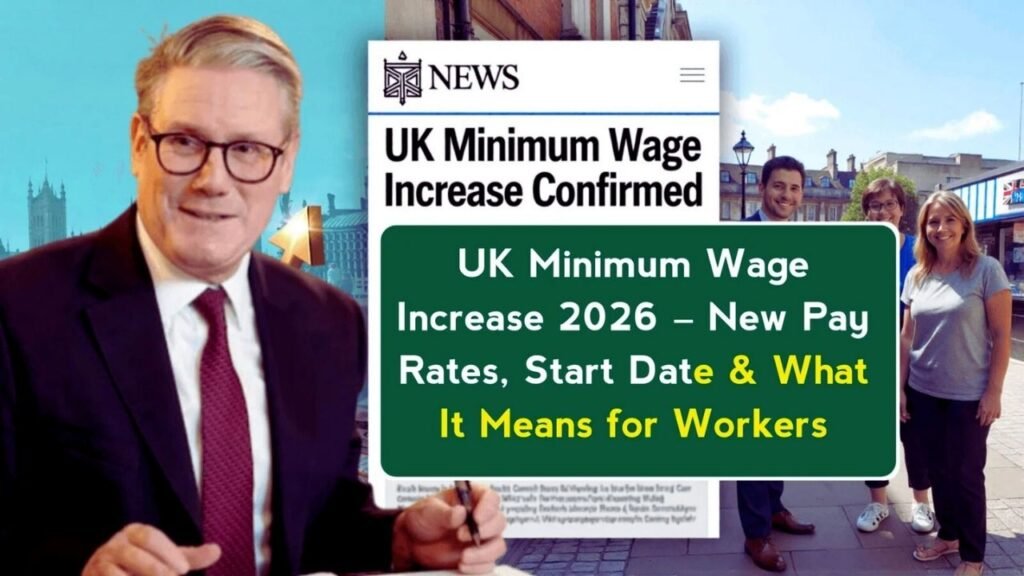
Millions of employees across the United Kingdom are set for a boost in their take-home pay as the government prepares to implement the 2026 wage increases. These changes follow a formal review of economic conditions and aim to protect the living standards of the country’s lowest-paid workers.
New Hourly Rates for 2026
The headline change for the 2026/27 financial year is the rise in the National Living Wage, which applies to workers aged 21 and over. This rate is increasing from £12.21 to £12.71 per hour, marking a steady upward trend in the legal pay floor. While the adult rate sees a significant lift, the government has also authorized substantial increases for younger staff and those in training programs.
- National Living Wage (21 and over) – £12.71
- 18 to 20 Year Old Rate – £10.85
- 16 to 17 Year Old Rate – £8.00
- Apprentice Rate – £8.00
The uplift for the 18-20 age bracket is particularly notable this year, rising by 85p per hour. This sharp increase is part of a broader strategy to eventually align youth pay more closely with the adult rate, reducing the gap between different age groups performing similar roles.
Official Start Date and Implementation
The new pay rates are scheduled to take effect on April 1, 2026. This date marks the start of the new minimum wage year and provides a clear deadline for businesses to update their payroll systems. It is important to note that the increase applies to the first full pay reference period beginning on or after the start of April.
If a worker’s pay period starts in late March and ends in early April, the old rate may still apply to that specific cycle. However, any hours worked in a pay cycle starting after the deadline must be paid at the 2026 rates. Employers are legally obligated to make these adjustments automatically, so workers should not need to take any action to receive the higher pay.
Impact on Full-Time and Part-Time Workers
For a full-time employee aged 21 or over working a standard 37.5-hour week, the 50p hourly increase translates to an annual gross pay rise of approximately £975. This extra income is intended to help households manage ongoing costs for essentials like housing, energy, and food.
- Full-time workers see a yearly boost of nearly £1,000 before tax
- 18 to 20-year-olds receive an annual increase of around £1,650
- Apprentices benefit from a 6% rise in their hourly earnings
Younger workers in the 18-20 category will see the most dramatic change in their disposable income. With an 8.5% increase, this group is being prioritized to ensure that early-career employment remains financially viable and attractive.
What This Means for Employers
Businesses across the UK, particularly in the retail, hospitality, and care sectors, will need to factor these higher labor costs into their 2026 budgets. While the increases support worker retention and morale, they also place additional pressure on small and medium-sized enterprises.
The government has confirmed that the independent Low Pay Commission’s recommendations were accepted in full to balance the needs of workers with the economic stability of businesses. Failure to comply with the new rates can result in severe financial penalties and being publicly identified by HM Revenue and Customs for underpayment.
Preparing for the Change
As the April deadline approaches, both workers and employers should take steps to ensure a smooth transition. Employees are encouraged to check their payslips in the spring to verify that their hourly rate has been adjusted correctly based on their age and status.
Employers should conduct a thorough review of their staff contracts and pay scales well in advance. Because the 18-20 rate is rising so significantly, some businesses may find that their internal pay structures need to be reorganized to maintain fair differentials between junior and senior staff members.
Frequently Asked Questions
When exactly does the new minimum wage start?
The new rates come into force on April 1, 2026. However, the higher pay will officially apply to the first full pay period that begins on or after this date.
Who is eligible for the £12.71 National Living Wage?
Any worker aged 21 or over is legally entitled to the National Living Wage. This includes part-time workers, casual laborers, and agency staff.
Do apprentices get the same rate as 16-year-olds?
Yes, for 2026, the rate for apprentices and 16 to 17-year-olds has been aligned at £8.00 per hour. However, apprentices aged 19 or over who have completed the first year of their apprenticeship are entitled to the full minimum wage for their age group.
What happens if an employer does not pay the new rate?
Underpaying the minimum wage is illegal. Employers who fail to pay the correct amount can be fined up to 200% of the arrears owed and may face legal action from HMRC.
Is there a different minimum wage for London?
No, the statutory National Minimum Wage and National Living Wage rates are the same across the entire United Kingdom. While some employers choose to pay a higher voluntary “London Living Wage,” the legal minimum remains consistent nationwide.
Last updated: 11 Mar 2026 (UK Time)